
As a wine cellar designer in Maryland, Classic Cellar Design combines the use of advanced engineering technology with age-old craftsmanship to create memorable spaces for wine storage. We believe there are three main stages to every custom wine cellar project, that any wine cellar designer in Maryland should review:
Creating the vision with design… lessons learned as a wine cellar designer in Maryland, since 2001 creating custom wine cellars.
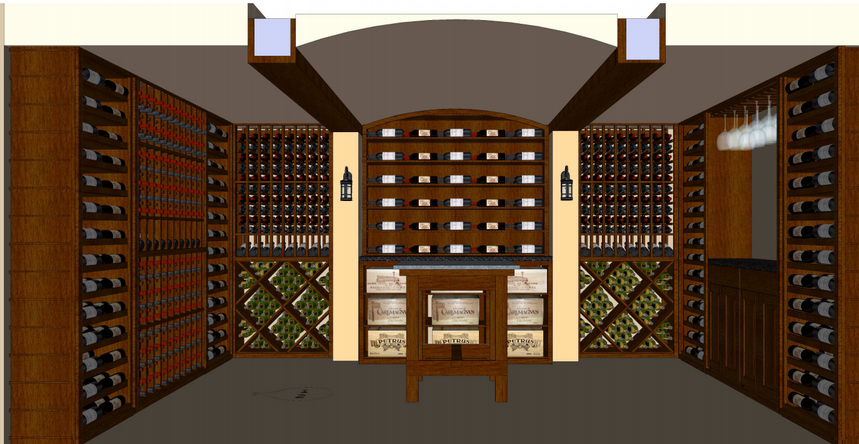 Understanding the passion behind our clients’ love for wine allows Classic Cellar Design to tailor each wine cellar to fulfill the intimate dreams of every client.
Thoughts from a wine cellar designer in Maryland -Building the foundation of your wine cellar…
The foundation of every wine cellar is the actual construction of the wine room for energy efficiency and proper building envelope techniques. The use of the appropriate insulation for the Maryland area, understanding how vapor barriers work, and refrigeration are the keys to providing the environment that will protect your wine investment. Through years of research our wine cellar designers serving clients in Maryland since 2001, we have refined the process of wine cellar construction to ensure years of worry-free storage for any wine collection. Our wine cellar designers in Maryland have adapted many years of study and on site application, to ensure the process goes smoothly for your wine cellar room build out.
On-Site Project Management and Consulting Services for wine cellar design in Maryland
Have you been researching how to build a wine cellar yourself? It is easy to get confused by the conflicting information on the Internet. We are happy to work with you as consultants to ensure that you build your wine cellar to the professional standards that Classic Cellar Design uses in all of our wine cellars. Feel free to contact us to schedule a consulting appointment to review your plans and application before making mistakes. Our wine cellar designers in Maryland have over 15 years of experience ensuring the protection of your wine cellar environments.
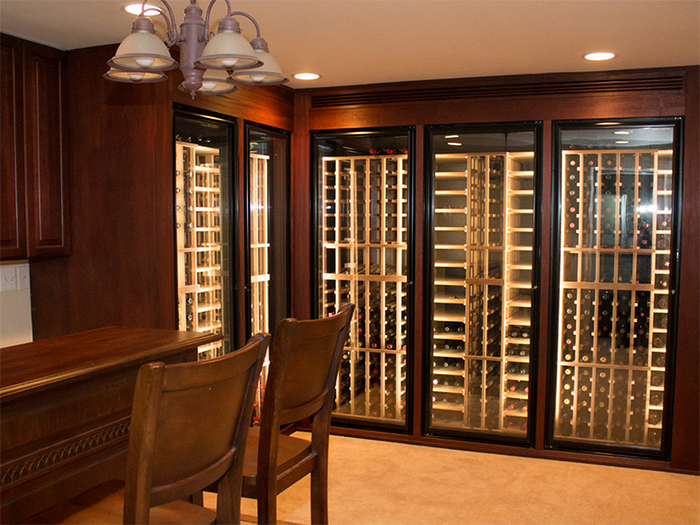 We are one of a very few independent wine cellar design-build firms. We do not have any hidden obligations to work with just one manufacturer. We work for our client and stay independent to provide each client with the unique products they need for their project.
For all of the DIYers visiting our site we have one peice of unsolicited advice, while internet research and product sourcing can be very useful please be sure to understand the quality of materials used for your racks if ordering on-line. Make sure you know what you are buying before you order, ask for samples of the product so as not to be disappointed. Thanks for taking the time to check out our work! We look forward to being a partner in your wine cellar project.
Call us today for more information about our on-site consulting services from a wine cellar designer in Maryland, Washington, DC or Virginia.
Classic Cellar Design
Unit D,
Email: classiccellar@gmail.com